
Locktober Prep Guide Daily Chastity Tasks and Recommended Cages
LOCKTOBER IS LESS THAN A MONTH AWAY AND I'M SO FUCKING EXCITED I JUST HAD TO BLOG ABOUT IT!
I want to do everything in My power to make sure as many of you little puppets cage up and stay caged all October long. Locktober is a lot more fun when you do not treat October 1 like a surprise inspection. So what can we do to prepare?
A good month of chastity takes more than buying a cage and hoping the vibe carries you through. The best experiences start with a plan: the right device, clear rules, a clean routine, realistic expectations, and a way to stay engaged when the novelty fades.
That is the point of this Locktober prep guide. Whether this is your first time trying a full month or you have done it before and want a better structure, a little preparation now can make the whole month smoother, safer, and much more satisfying.

Start with the right mindset before October begins
Locktober works best when it feels like a challenge, not a punishment you forgot to plan for. Before buying anything or making rules, decide what kind of month you actually want.
Some people want strict denial. Some want playful teasing. Some want daily tasks, accountability, and structure. Some want to explore submission in a controlled way. None of these versions are “more real” than the others. The best version is the one that is consensual, sustainable, and exciting.
Before October starts, write down a few simple answers:
What is the goal for the month?
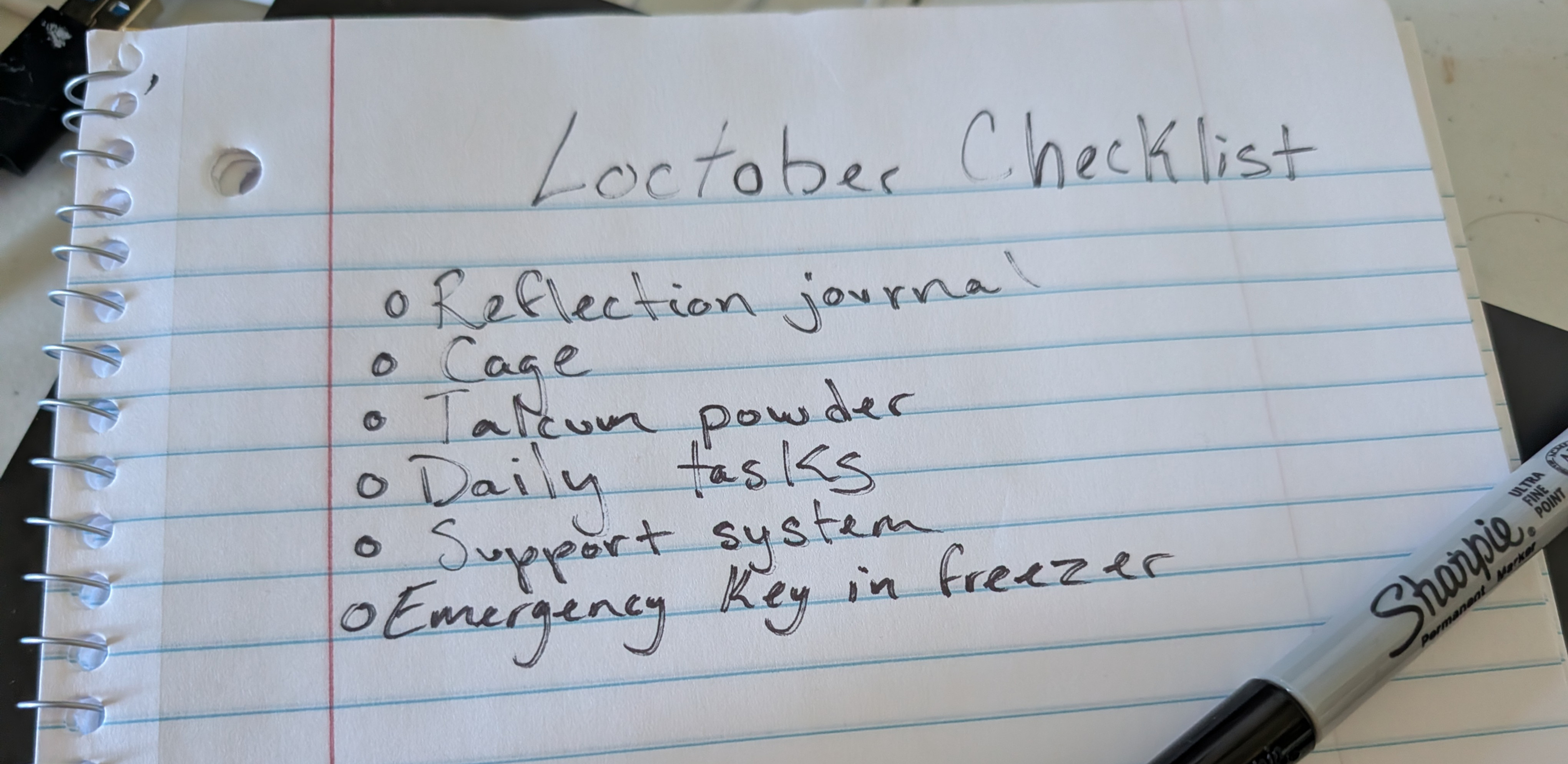
Where do I keep my key? In the freezer? With a domme?
What tools do I need to make the month successful?
Will I allow caged releases? (booo)
Will I allow anal edging? (yay)
What counts as breaking the rules?
What happens if the cage becomes uncomfortable?
How will check-ins happen?
How do I know if I need to stop early?
How do I want to end the month? A ruined orgasm? A night of gooning?
If a partner is involved, talk through all of this before the cage goes on. If you are doing Locktober solo, the same rules still help. A written plan gives the month a sense of ceremony and helps avoid that vague “what now?” feeling after the first few days.
Consent and comfort come first. Chastity should never involve ignoring (accidental) sharp pain, numbness, swelling, broken skin, loss of sensation, or panic. If something feels wrong, remove the device and reassess. A successful Locktober is not measured by suffering through a poorly fit cage.
Build a daily chastity routine that keeps you engaged
The hardest part of Locktober is rarely the first day. The first day has excitement built in. The real challenge comes later, when the cage becomes normal and the month starts to feel long.
That is where daily tasks help.
Daily chastity tasks add rhythm. They give each day a small purpose, even if it is only a check-in, a journal prompt, or a simple act of obedience. They also create anticipation, which is a huge part of the appeal.
If you want guided structure for the whole month, I will be posting daily chastity tasks all Locktober long on My Patreon. The idea is simple: each day gives you something to do, track, reflect on, or obey, so you are not left trying to invent your own challenge at midnight.
A good daily task does not need to be complicated. In fact, the best ones are usually short and specific.
Here are some examples of Locktober tasks that work well:
Write a one-paragraph check-in about your mood, cravings, and discipline
Send a respectful status update to your keyholder, if you have one
Pick one small act of service and complete it without being asked
Send a tribute thanking your Domme
Spend ten minutes reflecting on what chastity is teaching you
Wear a specific underwear style that keeps you aware of the cage
Avoid edging or teasing for a full day as a reset
Create a countdown page and mark off the day only after completing your task
The key is consistency. One task per day is better than a long list you abandon by day four.
A daily routine might look like this:
Morning | Evening |
Clean, dry, inspect, check-in with keyholder | Journal, check-in, complete the day’s task |
Confirm comfort and fit | Note any irritation or issues |
Read the day’s instruction | Prepare for the next day |
If you are new, keep the tasks gentle in the first week. Let your body and mind adjust before adding stricter rules. Locktober is a month-long experience, so pacing matters.
Choose a cage that fits your body and your Locktober plan
The cage can make or break the month. A cheap, badly fitted device can turn excitement into irritation fast. A good cage should feel secure, wearable, and easy enough to clean.
There is no single best cage for everyone. The right choice depends on anatomy, experience level, budget, hygiene needs, how long you plan to stay locked, and personal preference.
For a full Locktober, focus on these qualities:
Comfort for extended wear
Smooth edges
Good ventilation
Easy cleaning
Secure but not painful fit
A ring size that does not cut circulation
A cage length that does not leave much empty space
If this is your first full month, avoid buying the most extreme cage you can find. The tiny, heavy, or highly restrictive options may look exciting, but they can be hard to wear for long periods. Start with something practical. You can always go stricter later.

Plastic cages are a strong beginner choice
Plastic cages are often the easiest place to start. They are lightweight, usually affordable, and less intense than metal. Many have open designs that make cleaning easier, which matters during a month-long challenge.
Look for a plastic cage with a smooth finish, several ring sizes, and a design that lets air and water pass through. If it arrives with rough seams or sharp plastic, do not wear it until those issues are fixed or choose another device.
Plastic is a good fit if you want:
A beginner-friendly option
Less weight
Easier travel
A lower-cost test cage
A device to wear for daily tasks and normal routines
The downside is that some plastic cages feel less secure or less “serious” than metal. They may also wear out faster depending on the design.

Metal cages feel stricter but demand better sizing
Metal cages are popular because they feel secure, durable, and more intense. Stainless steel designs can also be very easy to clean when they are open enough.
The tradeoff is weight. A heavy cage might feel exciting for an hour, then become annoying after a full day. If you are planning to stay locked through October, choose a metal cage that balances security with wearability.
Metal is a good fit if you want:
A more secure feeling
Better durability
A classic chastity look
Easier cleaning with open-bar designs
A stronger sense of restriction
Pay special attention to ring fit with metal cages. Too tight can quickly become unsafe. Too loose can cause slipping, rubbing, or awkward shifting.

Silicone and flexible cages can be useful but are not perfect
Soft or flexible cages may seem like the safest beginner option, but they come with tradeoffs. They can be comfortable in short sessions, yet some designs trap moisture, pinch, or pull in strange ways. They can also be harder to keep dry.
A flexible cage can work well for short-term play or testing the feeling of chastity. For a full month, choose carefully. Make sure the material is body-safe, easy to wash, and not sticky or porous.
They also let more sensation through and can lead to accidental orgasms which is why I generally don't like them personally. If this is your absolute first ever time wearing a cage it can be a good experience to get used to the feeling without as much loss of autonomy but I don't personally like them. A silicone cage is no excuse to cum without permission.
Flat and micro cages are better for experienced wearers
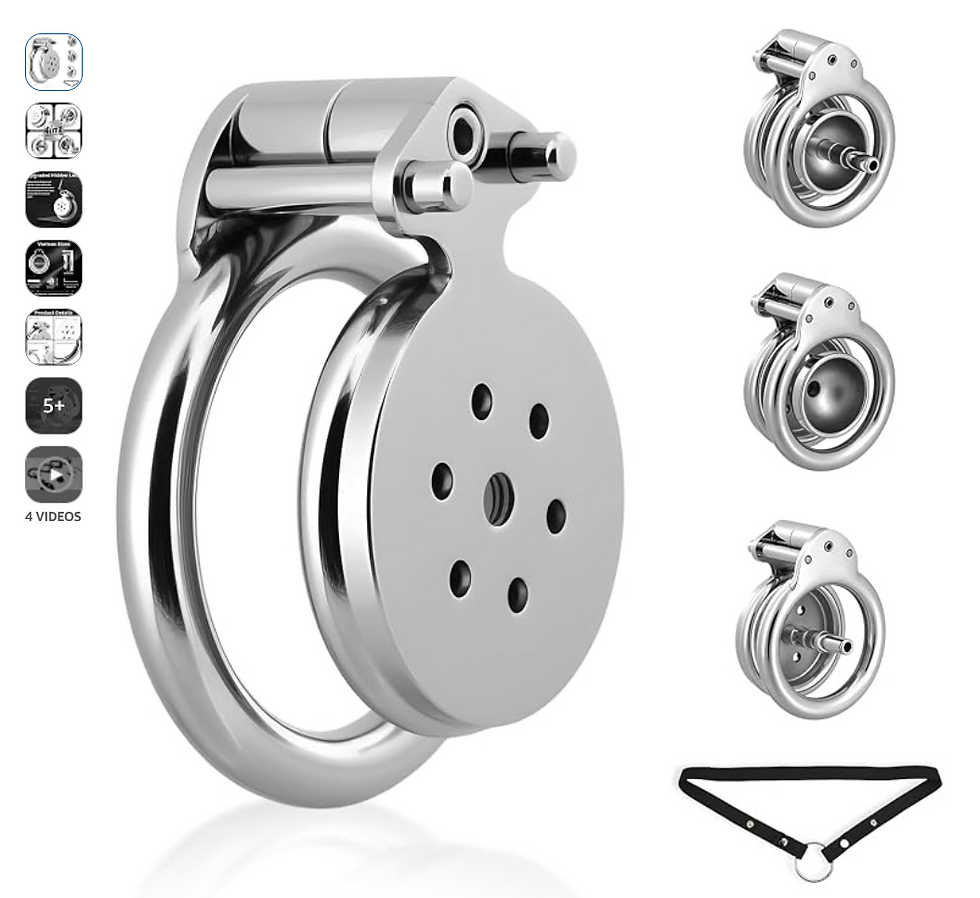
Very small cages can be intense and discreet, which makes them appealing. They can also create pressure if the sizing is wrong. A flat or micro cage leaves less room for movement, so fit matters even more.
If you already know your measurements and have experience with longer wear, a smaller cage might fit your Locktober goals. If you are guessing your size, do not start there.
For most beginners, a moderate cage with good ventilation beats an extreme cage every time.
Get your sizing, hygiene, and safety plan sorted now
Do not wait until October 1 to test the cage. Give yourself time to measure, try it, adjust it, and learn how it feels during normal life.
A basic prep timeline could look like this:
Time before Locktober | What to do |
2 to 3 weeks before | Buy the cage, test ring sizes, inspect for rough edges |
1 to 2 weeks before | Wear it for short sessions and note comfort issues |
Final week | Try a longer wear period, refine rules, plan cleaning |
October 1 | Start with confidence instead of guesswork |
Sizing has two main parts: the base ring and the cage length.
The base ring should be snug enough to stay in place, but not so tight that it causes pain, coldness, numbness, or discoloration. The cage should be short enough to prevent too much movement, but not so short that it creates constant pressure or pinching.
If you are between sizes, test carefully. Wear the cage for short periods before attempting overnight or all-day wear. Move around. Sit down. Walk. Shower. Sleep only after you know the device behaves well during normal use.
Hygiene is just as important as fit. For Locktober, plan a cleaning routine you can actually maintain.
A simple hygiene kit can include:
Mild unscented soap
Clean towels
Cotton swabs
A small soft brush
Body-safe lubricant for the ring, if needed
A dedicated storage pouch
Spare locks or seals
Emergency key access
Dryness matters. Moisture trapped under a ring or inside a cage can lead to irritation. After showering, take extra time to rinse and dry THOROUGHLY. If your rules allow removal for cleaning, use that time responsibly. If your rules do not allow routine removal, choose a cage design that can be cleaned well while worn.
Also plan emergency access. Even in strict chastity, safety comes first. Some people keep a sealed emergency key in a glass of water in the freezer, a locked box, or a tamper-evident bag. That keeps the psychological control intact while still allowing removal if something goes wrong.
A cage is not a badge of honor if it injures you. The real discipline is knowing the difference between challenge and danger.
Set rules that make the month exciting and realistic
Locktober rules should be clear enough to follow and interesting enough to care about. Too many rules can make the month feel like homework. Too few can make it feel empty.
Try building rules around four categories.
Locking rules
Decide when the cage goes on and when it can come off. This might be continuous lockup, scheduled cleaning removals, or weekday-only wear (boo).
If you are brand-spanking new to chastity, continuous wear may be too much for the first year. It's important to know your limits. A sustainable challenge beats an abandoned one.
Release rules
Be specific about release. Is release forbidden for the month (yes)? Allowed on certain days (no)? Earned through tasks? Controlled by a keyholder?
If release is possible, define how it happens before the month starts. Vague rules can create loopholes, and loopholes can drain the thrill. If you're locking up for me, there will be no release until November but every Domme is different,
Task rules
This is where daily chastity tasks shine. Decide whether tasks are optional, required, or used to earn privileges. A simple system works best:
Complete the daily task to remain in good standing
Missed tasks add a small consequence
Extra tasks can earn praise, points, or a comfort privlege
Safety checks never count as rule-breaking
If you are joining My Patreon for daily Locktober tasks, you can use the posts as your structure and build your personal rules around them.
Communication rules
If there is a keyholder, agree on check-ins. Daily can be fun, but not everyone has the time or energy for constant control. A short message works well:
`Locked, clean, comfortable, task complete.`
That one line says a lot. It confirms safety, obedience, and progress without requiring a long conversation every day.
Make the month feel special from beginning to end
The best Locktober experiences have a sense of ritual. They start with intention, build through repetition, and end with reflection.
Before October begins, create a small start ritual. Clean the cage. Set out the lock. Write the rules. Take one final measurement check. If you have a keyholder, hand over the key with intention. If you are solo, seal the key away and commit to your own structure.
During the month, track progress. A calendar, journal, or private checklist makes the days feel earned. Do not rely on memory. Seeing the month fill up one day at a time adds a lot to the experience.
You can also add weekly themes:
Week | Focus |
Week 1 | Adjustment and discipline |
Week 2 | Service and consistency |
Week 3 | Teasing, restraint, and patience |
Week 4 | Reflection and final stretch |
Keep the themes broad. That gives you room to adapt without losing the structure.
As the end of the month gets closer, decide how you want Locktober to finish. Some people plan a release. Some continue into No Nut November. Some use the final day for a ritual unlock, a review with their keyholder, or a written reflection on what they learned.
The ending matters because it gives the month shape. It turns the challenge into an experience rather than just a countdown.
If you want help staying consistent, sign up to My Patreon before October starts so you can follow along with daily chastity tasks throughout Locktober. It is an easy way to keep the month active, structured, and more fun than simply locking up and waiting.
Locktober rewards preparation. Get the cage early. Test the fit. Set rules you can actually follow. Build a cleaning routine. Decide how tasks, check-ins, and emergency access will work.
Then, when October arrives, you can focus on the part that matters most: staying present, staying locked, and enjoying the slow burn of the month.

Comments